
Building Condition Assessment: The Foundation of Depreciation Planning
A comprehensive building condition assessment is the cornerstone of accurate depreciation reporting and sound financial planning for strata corporations. Understanding the inspection process and what it reveals can help your building make informed decisions about maintenance, reserves, and capital improvements.
What is a Building Condition Assessment?
A building condition assessment is a detailed, systematic evaluation of a building's physical components and their current state of repair. Professional inspectors examine structural elements, building systems, finishes, and infrastructure to determine their condition, remaining useful life, and likely replacement costs. This assessment forms the foundation of depreciation reports, which guide reserve fund planning and long-term financial management.
The Professional Inspection Process
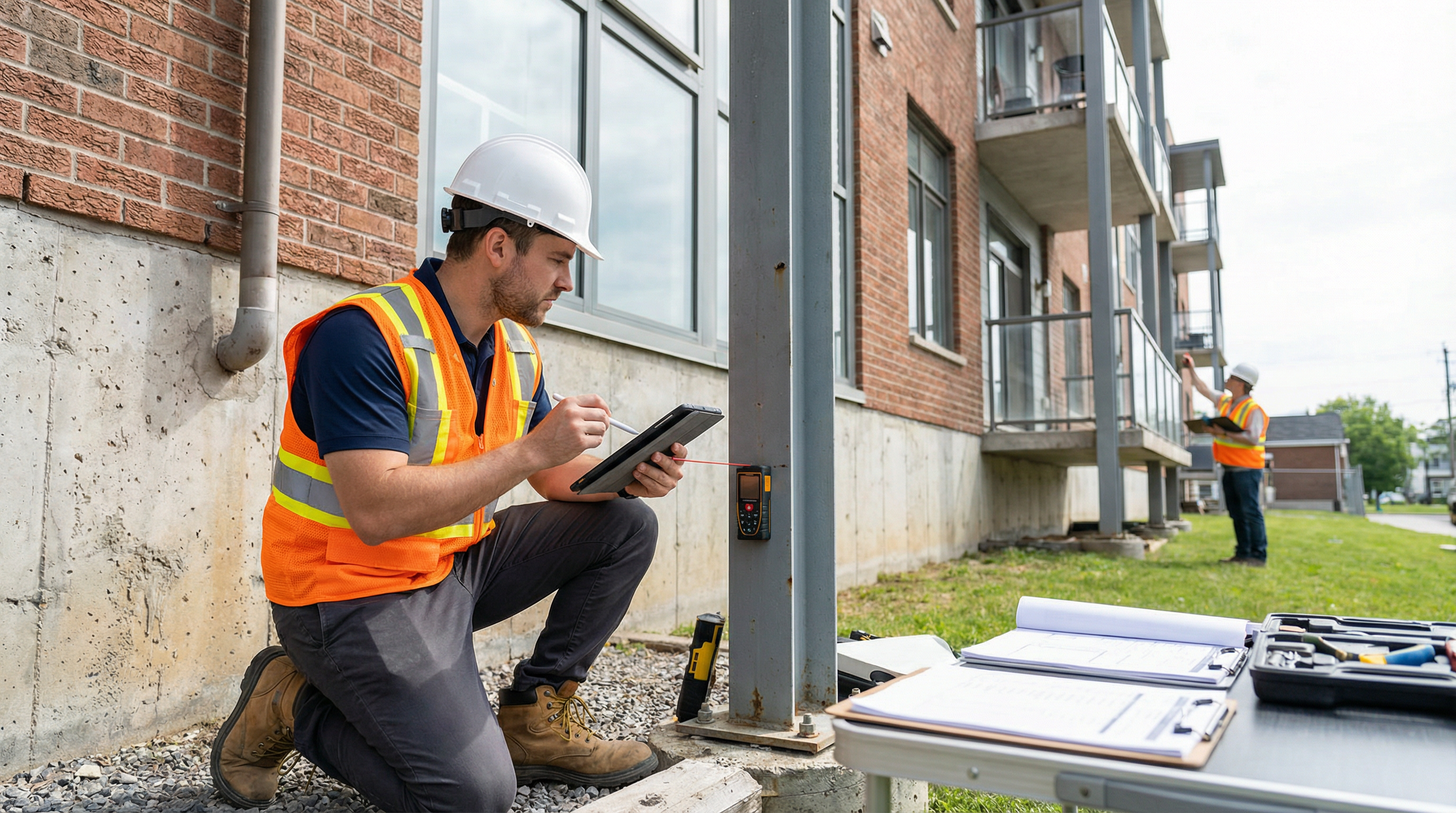
A thorough building condition assessment follows a structured methodology to ensure nothing is overlooked. The process typically begins with a comprehensive site visit where qualified inspectors examine both interior and exterior components. They assess the roof and waterproofing systems, exterior walls and cladding, windows and doors, mechanical systems (HVAC, plumbing, electrical), parking structures, and common area finishes.
During the inspection, professionals document the current condition of each component using standardized rating systems. They photograph areas of concern, take measurements, and gather information about maintenance history and previous repairs. This data collection is critical because it provides the factual basis for all subsequent analysis and recommendations.
Inspectors also interview building managers and review maintenance records to understand how well components have been maintained and what work has already been completed. This contextual information helps explain current conditions and predict future performance.
Key Components Evaluated
Building condition assessments examine numerous components across multiple systems. The roof and waterproofing are evaluated for signs of leaks, deterioration, or approaching end-of-life. Exterior walls and cladding are assessed for cracks, water penetration, and material degradation. Windows and doors are checked for seal integrity, operation, and weatherproofing.
Mechanical systems including HVAC units, boilers, and ventilation are evaluated for age, efficiency, and remaining service life. Electrical systems are assessed for capacity, safety compliance, and modernization needs. Plumbing systems are checked for corrosion, leaks, and code compliance. Parking structures are evaluated for concrete deterioration, drainage issues, and structural integrity.
Common area finishes such as flooring, wall coverings, and fixtures are assessed for wear and replacement needs. Structural elements are examined for signs of movement, deterioration, or damage. Building envelope components are evaluated for air sealing and thermal performance.
How Assessments Support Depreciation Reports
The data collected during building condition assessments directly informs depreciation reports. Rather than using generic life expectancy tables, inspectors can make site-specific assessments based on actual conditions. A roof that appears to be in excellent condition may have many years of remaining life, while a roof showing significant wear may need replacement sooner than standard tables suggest.
This detailed information allows depreciation reports to provide accurate cost estimates and timelines for capital replacements. Strata corporations can then establish appropriate reserve fund contributions to ensure funds are available when needed. Without accurate condition assessments, reserve fund planning becomes guesswork, risking either underfunded reserves or unnecessarily high contributions.
The Value of Professional Expertise
While some building managers attempt visual inspections, professional condition assessments provide several advantages. Qualified inspectors bring specialized knowledge about building systems, common failure patterns, and industry standards. They have access to specialized equipment for measuring, testing, and documenting conditions. They understand how different components interact and how failure in one system can cascade to others.
Professional inspectors also bring objectivity to the assessment process. They're not influenced by budget constraints or political considerations that might affect internal evaluations. Their documented findings provide a credible basis for reserve fund planning and capital improvement decisions.
Using Assessment Results for Planning
Once the condition assessment is complete, the findings guide multiple planning activities. Reserve fund studies use the assessment data to establish contribution levels. Capital improvement plans prioritize projects based on urgency and cost. Maintenance budgets can be adjusted based on component condition and remaining life.
Assessment results also inform decisions about preventive maintenance. Components showing early signs of wear might benefit from maintenance interventions that extend their life. Systems approaching end-of-life can be planned for replacement before failure occurs, avoiding emergency repairs and service disruptions.
Getting Started with Your Assessment
If your strata corporation hasn't had a recent building condition assessment, now is an excellent time to schedule one. The investment in a professional assessment typically pays for itself through better-informed planning and more accurate reserve fund contributions. Contact Maben Consulting to discuss your building's assessment needs and learn how a comprehensive condition evaluation can support your depreciation planning and long-term financial management.
Related Articles

Ready to Get Started?
Contact us today to discuss how Maben Consulting can help your strata corporation