
Energy Audits: Identifying Savings Opportunities in Your Building
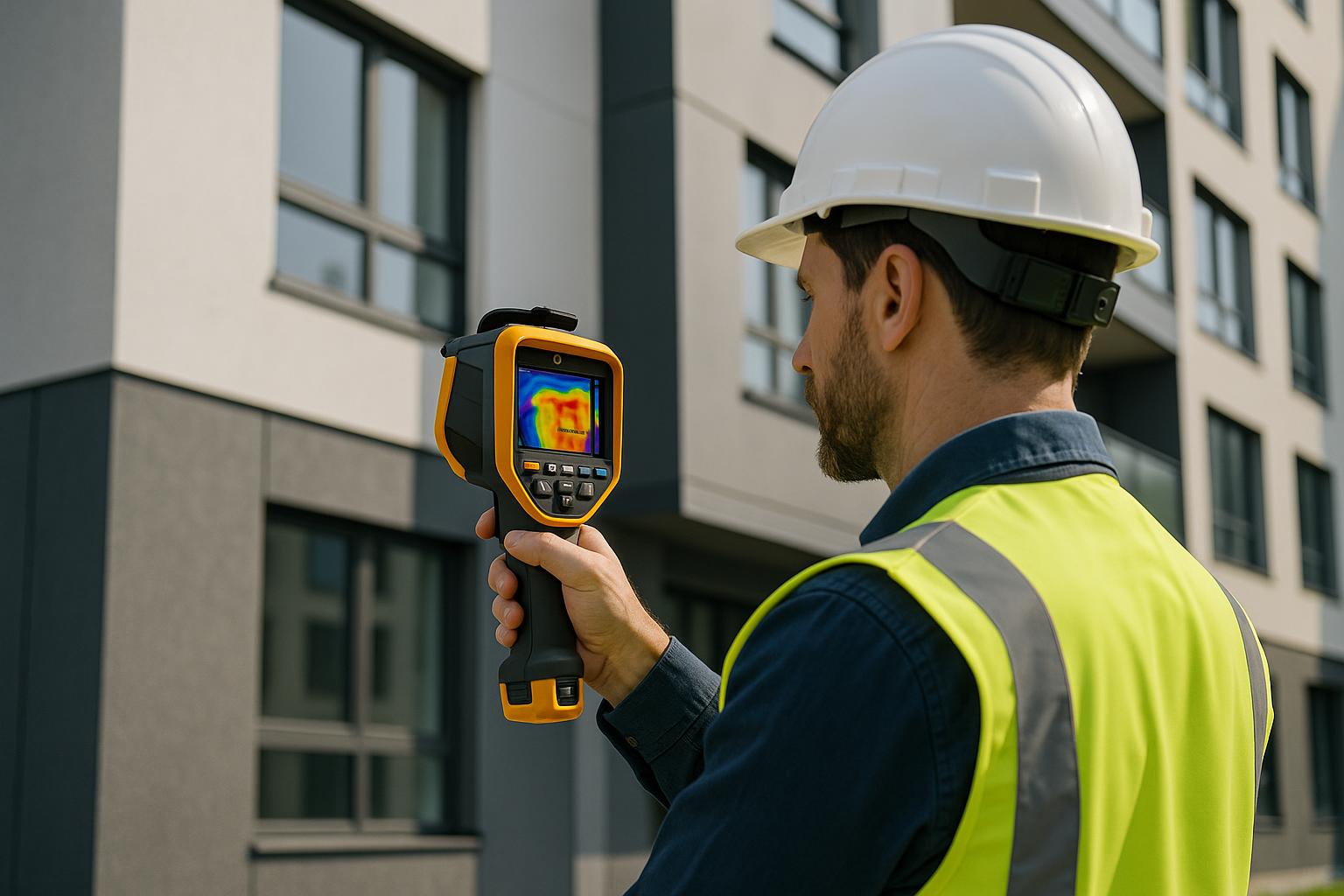
Energy audits are a critical first step in improving building efficiency and reducing operating costs. This guide explains the process and benefits of conducting an energy audit.
What is an Energy Audit?
An energy audit is a comprehensive assessment of a building's energy consumption and efficiency. It identifies areas where energy is being wasted and recommends improvements.
Energy Audit Process
1. **Data Collection** - Review utility bills and building systems 2. **On-Site Inspection** - Assess HVAC, lighting, insulation, and other systems 3. **Analysis** - Calculate energy consumption and identify inefficiencies 4. **Recommendations** - Suggest improvements with cost-benefit analysis 5. **Report** - Provide detailed findings and implementation roadmap
Common Energy Efficiency Improvements
- LED lighting upgrades
- HVAC system optimization
- Insulation improvements
- Window replacements
- Water heating efficiency
- Smart building controls
ROI and Payback Periods
Most energy efficiency improvements have payback periods of 3-7 years, with ongoing savings for decades.
BC Hydro Incentives
BC Hydro offers rebates and incentives for energy efficiency improvements, reducing upfront costs and improving ROI.
Next Steps
Contact Maben Consulting to schedule an energy audit and discover savings opportunities for your building.
Ready to Get Started?
Contact us today to discuss how Maben Consulting can help your strata corporation