
Municipality Facility Condition Assessments: Planning for Public Asset Management
Municipalities across Canada face the challenge of managing aging public infrastructure while balancing limited budgets and competing priorities. Facility condition assessments have become essential tools for municipalities to understand the true condition of their buildings, plan capital improvements strategically, and communicate infrastructure needs to elected officials and taxpayers.
What is a Municipality Facility Condition Assessment?
A facility condition assessment is a comprehensive evaluation of a municipality's buildings and infrastructure assets. Professional assessors systematically inspect buildings, mechanical systems, electrical infrastructure, roofing, foundations, and other components to document their current condition, estimate remaining useful life, and identify maintenance or replacement needs.
Unlike simple visual inspections, comprehensive facility condition assessments use standardized methodologies, specialized diagnostic equipment, and building science expertise to provide accurate, detailed information about asset condition. The resulting assessment report becomes the foundation for capital planning, budget allocation, and long-term asset management strategies.
Why Municipalities Need Facility Condition Assessments
#Informed Capital Planning
Municipalities must make difficult decisions about which buildings to renovate, which to replace, and how to allocate limited capital budgets. Without accurate condition data, these decisions are often made reactively—responding to failures or emergencies rather than proactively planning improvements. Facility condition assessments provide the objective data needed to prioritize capital projects based on actual need rather than political pressure or immediate crises.
#Lifecycle Cost Analysis
Facility condition assessments estimate the remaining useful life of building components and systems. This information allows municipalities to model lifecycle costs—comparing the cost of ongoing maintenance versus eventual replacement. Sometimes it's more cost-effective to replace aging systems rather than continue expensive repairs. Assessments provide the data needed to make these complex financial decisions.
#Risk Mitigation and Safety
Aging infrastructure poses safety risks to the public and municipal staff. Facility condition assessments identify structural concerns, electrical hazards, mechanical failures, and other conditions that could endanger building occupants. Addressing these issues proactively protects public safety and reduces liability exposure.
#Budget Justification
Municipal councils and taxpayers want to understand why infrastructure investments are necessary. Facility condition assessments provide documented evidence supporting capital budget requests. Rather than asking for funding based on vague concerns, municipalities can present specific findings and recommendations backed by professional assessment data.
#Regulatory Compliance
Buildings must meet current building codes, accessibility standards, and safety regulations. Facility condition assessments identify code compliance issues, allowing municipalities to prioritize remediation and demonstrate due diligence in maintaining public buildings.
Key Components of a Facility Condition Assessment
#Building Envelope Evaluation
Assessors evaluate roofing, exterior walls, windows, doors, and foundation conditions. They identify water intrusion risks, insulation effectiveness, and weatherproofing integrity. For municipalities in wet climates like BC, envelope condition is critical because water damage can lead to structural deterioration and mold growth.
#Mechanical Systems Assessment
Heating, ventilation, air conditioning, and plumbing systems are evaluated for functionality, efficiency, and remaining useful life. Assessors identify systems approaching end-of-life and estimate replacement costs and timelines.
#Electrical Systems Evaluation
Electrical panels, wiring, lighting, and safety systems are assessed for code compliance, capacity, and condition. Aging electrical infrastructure may require upgrades to meet current standards or support new technologies like EV charging.
#Structural Integrity Assessment
Foundations, framing, and load-bearing elements are evaluated for structural soundness. Assessors identify settling, cracking, or deterioration that could affect building safety or require remediation.
#Interior Systems and Components
Flooring, ceilings, walls, and interior finishes are evaluated for condition and maintenance needs. Assessors identify accessibility issues, code compliance concerns, and aesthetic improvements that may be necessary.
#Accessibility Compliance Review
Facility condition assessments identify barriers to accessibility and recommend modifications needed to meet accessibility standards. This is particularly important for public buildings serving diverse populations.
The Assessment Process
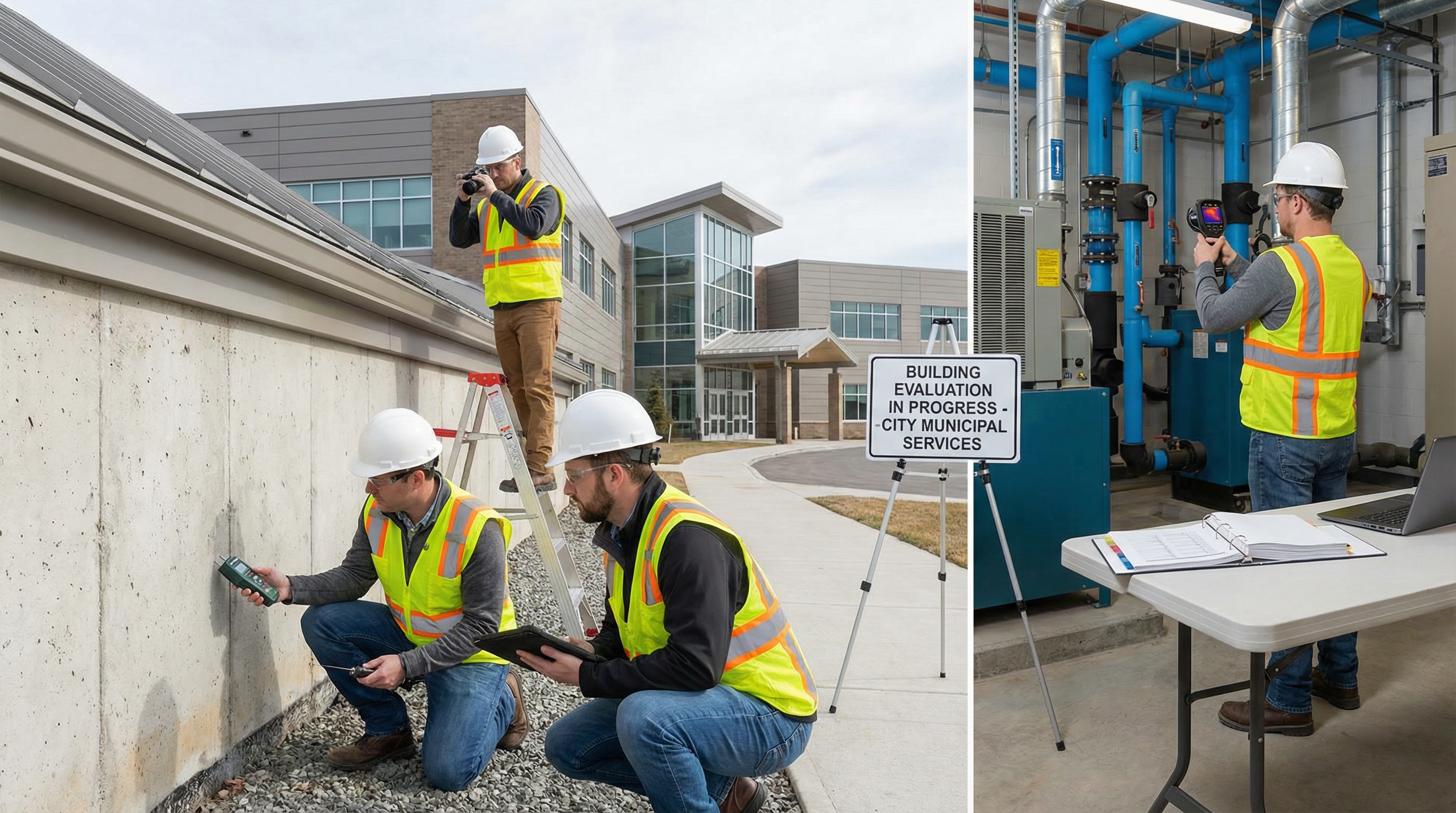
A comprehensive facility condition assessment typically involves several phases. Initial planning establishes the scope, identifies buildings to be assessed, and determines the level of detail needed. Site inspections follow, where professional assessors physically examine buildings, document conditions, and collect data using specialized equipment like thermal imaging, moisture meters, and electrical testing tools.
Data analysis synthesizes inspection findings into a comprehensive report. The report documents current conditions, estimates remaining useful life for major systems and components, and prioritizes capital needs. Recommendations typically categorize improvements as immediate (safety-critical), short-term (within 1-3 years), medium-term (3-10 years), or long-term (10+ years).
Prioritization and Capital Planning
One of the most valuable aspects of facility condition assessments is the prioritization framework they provide. Rather than treating all maintenance needs equally, assessments help municipalities focus on the most critical issues first. Safety concerns take priority, followed by issues affecting building functionality, then items affecting comfort or aesthetics.
Assessments also help municipalities understand the true cost of deferred maintenance. When capital improvements are postponed, problems often worsen and become more expensive to address. Assessments quantify this risk, helping municipal leaders understand the financial consequences of delaying necessary investments.
Communicating Assessment Findings
Facility condition assessments provide municipalities with clear, documented information to communicate with elected officials, taxpayers, and the public. Rather than vague requests for funding, municipalities can present specific findings: "The roof on City Hall has 3-5 years of remaining useful life and will require replacement by 2030 at an estimated cost of $500,000."
This specificity helps elected officials make informed decisions and helps taxpayers understand why infrastructure investments are necessary. It also supports transparent governance and accountability in municipal decision-making.
Integrating Assessment Data into Asset Management
Facility condition assessments are most valuable when integrated into comprehensive asset management systems. Municipalities that track assessment data, monitor condition trends over time, and use this information to guide capital planning achieve better outcomes—lower lifecycle costs, fewer emergency repairs, and more strategic infrastructure investments.
Many municipalities conduct facility condition assessments on a 5-10 year cycle, updating assessments periodically to track condition changes and adjust capital plans accordingly.
Challenges in Municipal Facility Management
Municipalities often face challenges in conducting and implementing facility condition assessments. Limited budgets may make comprehensive assessments seem like an expense rather than an investment. However, the cost of comprehensive assessment is typically far less than the cost of reactive emergency repairs or premature asset replacement.
Another challenge is translating assessment findings into action. Even with clear recommendations, municipalities may struggle to secure funding or prioritize improvements. Effective communication and strategic planning help overcome these obstacles.
Conclusion
Facility condition assessments are essential tools for municipalities committed to managing public assets strategically and responsibly. By understanding the true condition of buildings and infrastructure, municipalities can make informed capital decisions, protect public safety, manage budgets effectively, and communicate transparently with elected officials and taxpayers.
Whether your municipality is managing a single civic building or a portfolio of hundreds of assets, professional facility condition assessments provide the objective data needed for effective asset management. Contact Maben Consulting today to discuss how comprehensive facility condition assessments can support your municipality's capital planning and asset management objectives.
Related Articles
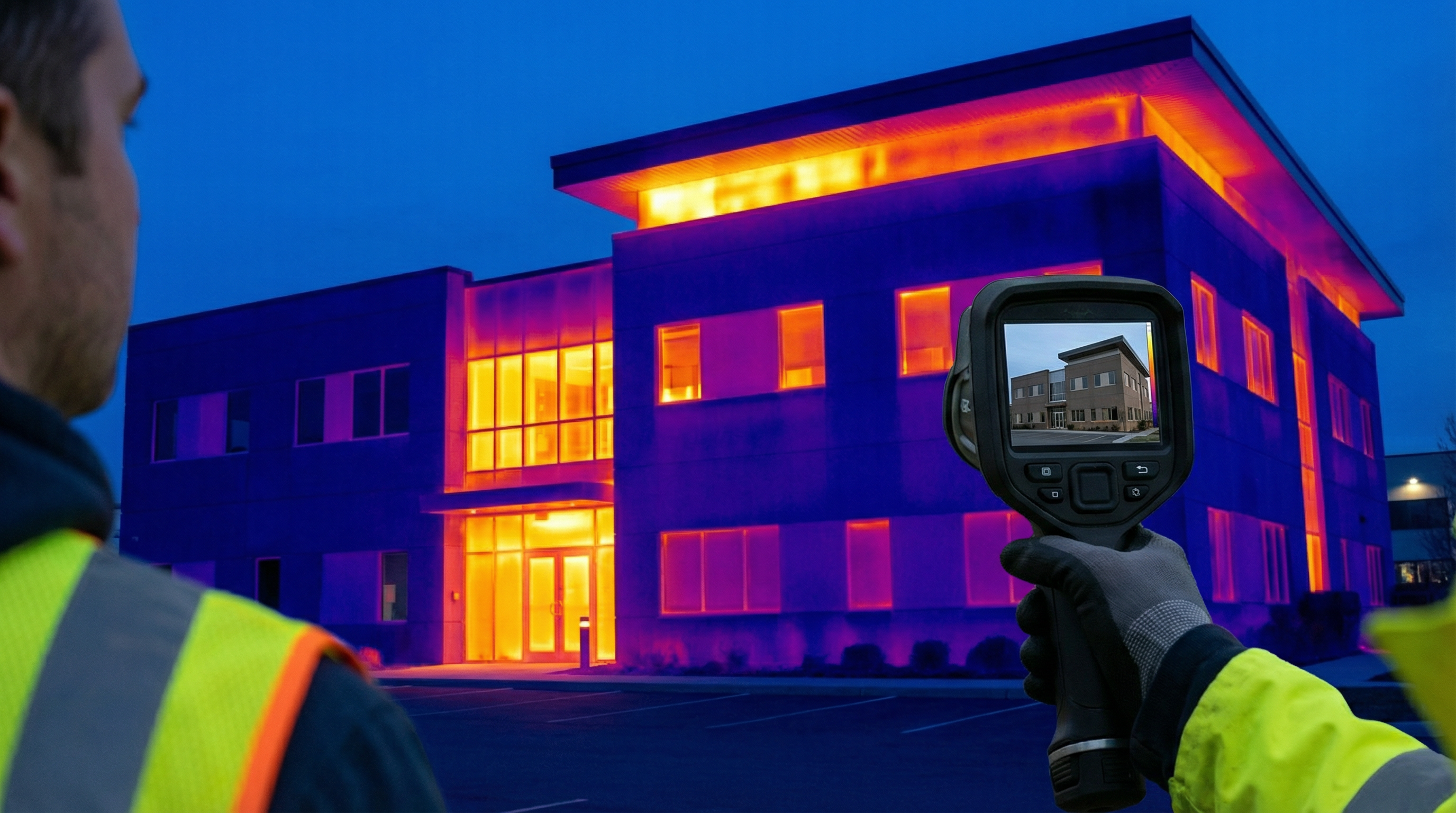
Thermal Imaging in Building Assessments: Detecting Hidden Energy Loss
Learn how thermal imaging technology reveals insulation defects, air leaks, and energy inefficiencies in BC strata buildings—and why it's essential for comprehensive building assessments.
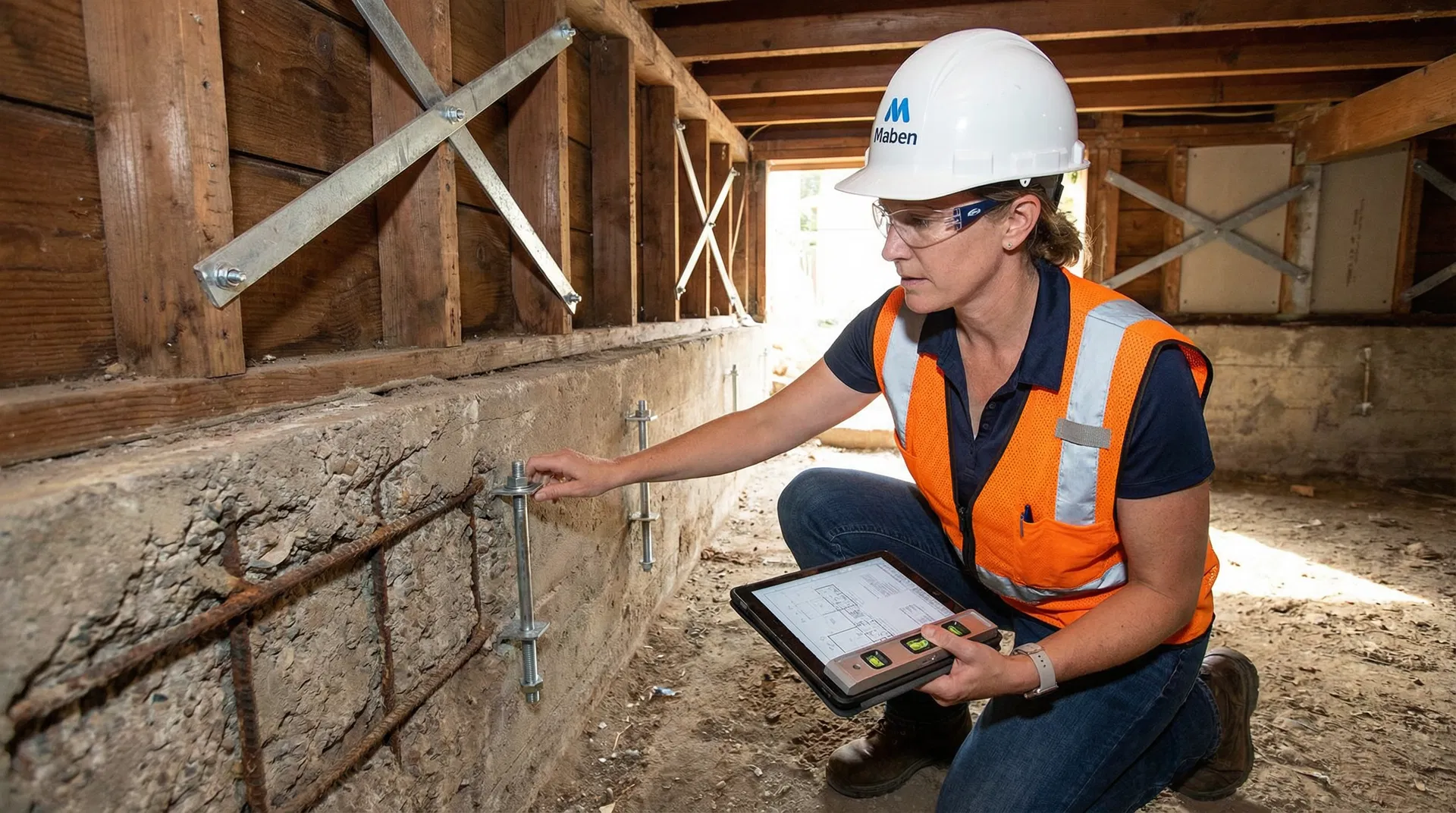
Seismic Resilience: Protecting Older BC Strata Buildings from Earthquake Risk
BC faces significant seismic risk from the Cascadia Subduction Zone. Learn how older strata buildings can assess and address earthquake vulnerabilities through professional seismic assessments and strategic upgrades.
Ready to Get Started?
Contact us today to discuss how Maben Consulting can help your strata corporation