
Thermal Imaging in Building Assessments: Detecting Hidden Energy Loss
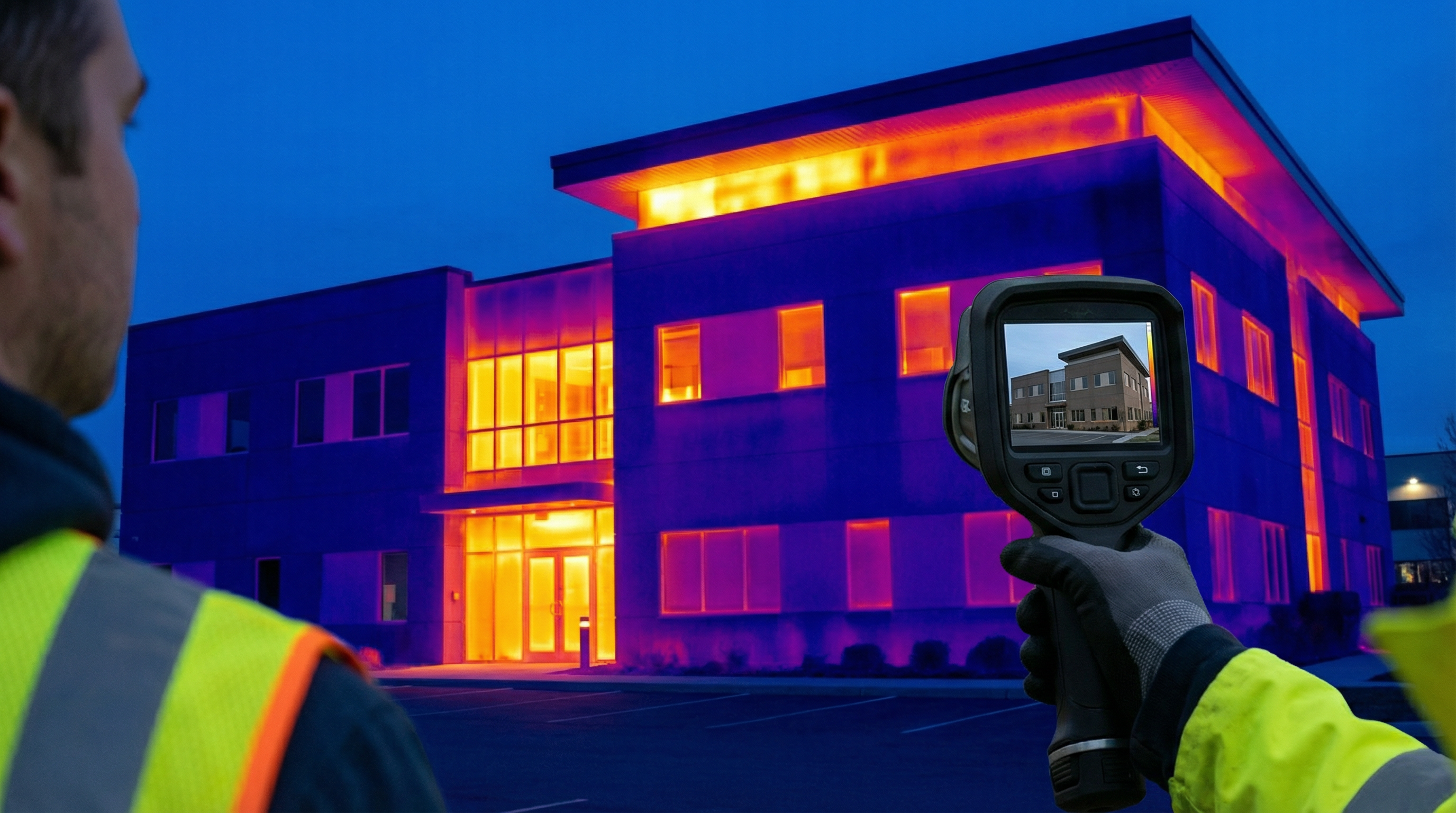
Thermal imaging has revolutionized the way building professionals assess energy efficiency and identify structural issues in residential and commercial properties. For BC strata corporations, understanding thermal imaging technology and its applications can lead to significant energy savings, improved resident comfort, and better-informed capital planning decisions.
What is Thermal Imaging?
Thermal imaging, also known as infrared thermography, is a non-destructive diagnostic technique that visualizes temperature differences across building surfaces. A thermal camera detects infrared radiation (heat) emitted by objects and converts it into a visual image where different colors represent different temperature ranges. Cooler areas typically appear blue or purple, while warmer areas display as orange, red, or white.
Unlike traditional visual inspections that rely on what inspectors can see with their eyes, thermal imaging reveals what's happening beneath surfaces and within wall cavities. This capability makes it an invaluable tool for identifying problems that would otherwise remain hidden until they cause significant damage or energy waste.
Common Applications in Strata Buildings
#Identifying Insulation Defects
One of the most important applications of thermal imaging is detecting missing or inadequate insulation. Poor insulation creates thermal bridges—areas where heat escapes more readily than surrounding regions. Thermal imaging clearly shows these problem areas as distinct color variations on exterior walls, ceilings, and around roof penetrations.
Strata buildings often have insulation installed decades ago that has settled, compressed, or deteriorated over time. Thermal imaging reveals exactly where insulation has failed, allowing building managers to prioritize renovation work and target improvements where they'll have the greatest impact on energy efficiency and resident comfort.
#Air Leakage Detection
Air leaks around windows, doors, electrical outlets, and penetrations are major sources of energy waste. These leaks allow conditioned air to escape in winter and outside air to infiltrate in summer, forcing HVAC systems to work harder and increasing energy costs. Thermal imaging reveals air leakage patterns as distinct thermal anomalies, showing exactly where air is escaping or entering the building envelope.
This information is critical for strata corporations planning energy efficiency upgrades. By identifying and sealing air leaks, buildings can achieve significant energy savings—often 10-20% reduction in heating and cooling costs—without major renovations.
#Moisture and Water Intrusion Detection
Moisture problems are among the most serious issues facing BC buildings, particularly in our wet climate. Water intrusion can occur in walls, roofs, and foundations without being visible from the inside until significant damage has occurred. Thermal imaging can detect moisture because wet materials have different thermal properties than dry materials—they typically appear cooler in thermal images.
Early detection of moisture problems through thermal imaging allows strata corporations to address water intrusion before it causes structural damage, mold growth, or compromised building integrity. This is particularly important in older buildings where envelope performance may be degraded.
#HVAC System Performance Assessment
Thermal imaging can evaluate whether heating and cooling systems are functioning properly throughout a building. Uneven temperature distribution visible in thermal images may indicate blocked ducts, failed dampers, or other HVAC problems. This diagnostic capability helps identify maintenance issues before they result in resident complaints or system failures.
#Electrical System Diagnostics
Electrical components that are overheating appear distinctly warmer in thermal images than surrounding areas. This capability allows building professionals to identify overloaded circuits, failing connections, or equipment operating at excessive temperatures—all potential fire hazards. Regular thermal imaging of electrical panels and distribution systems can prevent dangerous conditions and equipment failures.
Benefits for BC Strata Corporations
#Data-Driven Decision Making
Thermal imaging provides objective, visual evidence of building performance issues. Rather than making capital planning decisions based on speculation or outdated information, strata councils can use thermal imaging data to prioritize improvements where they'll deliver the greatest return on investment.
#Energy Efficiency and Cost Savings
By identifying and addressing energy waste, strata corporations can significantly reduce utility costs. These savings benefit the strata's operating budget and help keep unit owner fees stable. Additionally, energy-efficient buildings are more attractive to prospective buyers and renters.
#Resident Comfort Improvement
Thermal imaging often reveals why certain units or areas of a building are uncomfortable—drafty windows, cold spots, or uneven heating. Addressing these issues improves resident satisfaction and reduces complaints to strata management.
#Risk Mitigation
Early detection of moisture problems, electrical issues, and structural concerns through thermal imaging allows strata corporations to address problems before they become expensive emergencies. This proactive approach protects building assets and reduces long-term maintenance costs.
#Compliance and Documentation
Thermal imaging reports provide documented evidence of building condition, which is valuable for insurance purposes, disclosure requirements, and future capital planning. This documentation supports strata council decisions and demonstrates due diligence in building management.
When to Conduct Thermal Imaging
Thermal imaging is most effective during periods of significant temperature difference between inside and outside—typically during winter months when heating is active and outdoor temperatures are cold. This temperature differential makes thermal anomalies more visible and easier to detect.
For BC buildings, thermal imaging is typically conducted between October and March when conditions are optimal. Spring and summer thermal imaging is less effective because smaller temperature differences reduce the visibility of insulation and air leakage problems.
Professional Thermal Imaging Assessment
While thermal imaging equipment is increasingly accessible, professional thermal imaging assessments conducted by qualified thermographers provide significantly more value than casual thermal images. Professional thermographers understand building science, can interpret thermal data correctly, and provide comprehensive reports with recommendations for addressing identified issues.
A professional thermal imaging assessment typically includes:
- Comprehensive building envelope evaluation
- Detailed thermal images with annotations
- Written report identifying issues and their severity
- Recommendations for remediation
- Cost-benefit analysis for proposed improvements
- Prioritization of capital projects
Integrating Thermal Imaging into Building Assessments
For BC strata corporations, thermal imaging should be part of a comprehensive building assessment strategy that includes structural inspections, electrical planning reports, depreciation reports, and energy audits. When combined with other assessment data, thermal imaging provides a complete picture of building condition and performance.
Many strata corporations are incorporating thermal imaging into their periodic building condition assessments—typically every 5-10 years—to track building performance over time and identify emerging issues before they become serious problems.
Conclusion
Thermal imaging is a powerful diagnostic tool that provides valuable insights into building performance, energy efficiency, and structural condition. For BC strata corporations committed to maintaining their buildings, protecting resident comfort, and making informed capital planning decisions, professional thermal imaging assessment should be a key component of comprehensive building evaluation.
If your strata corporation is planning a building assessment or considering energy efficiency improvements, thermal imaging can provide the objective data needed to make smart decisions. Contact Maben Consulting today to discuss how thermal imaging can benefit your building and help you develop a comprehensive strategy for building maintenance and improvement.
Related Articles
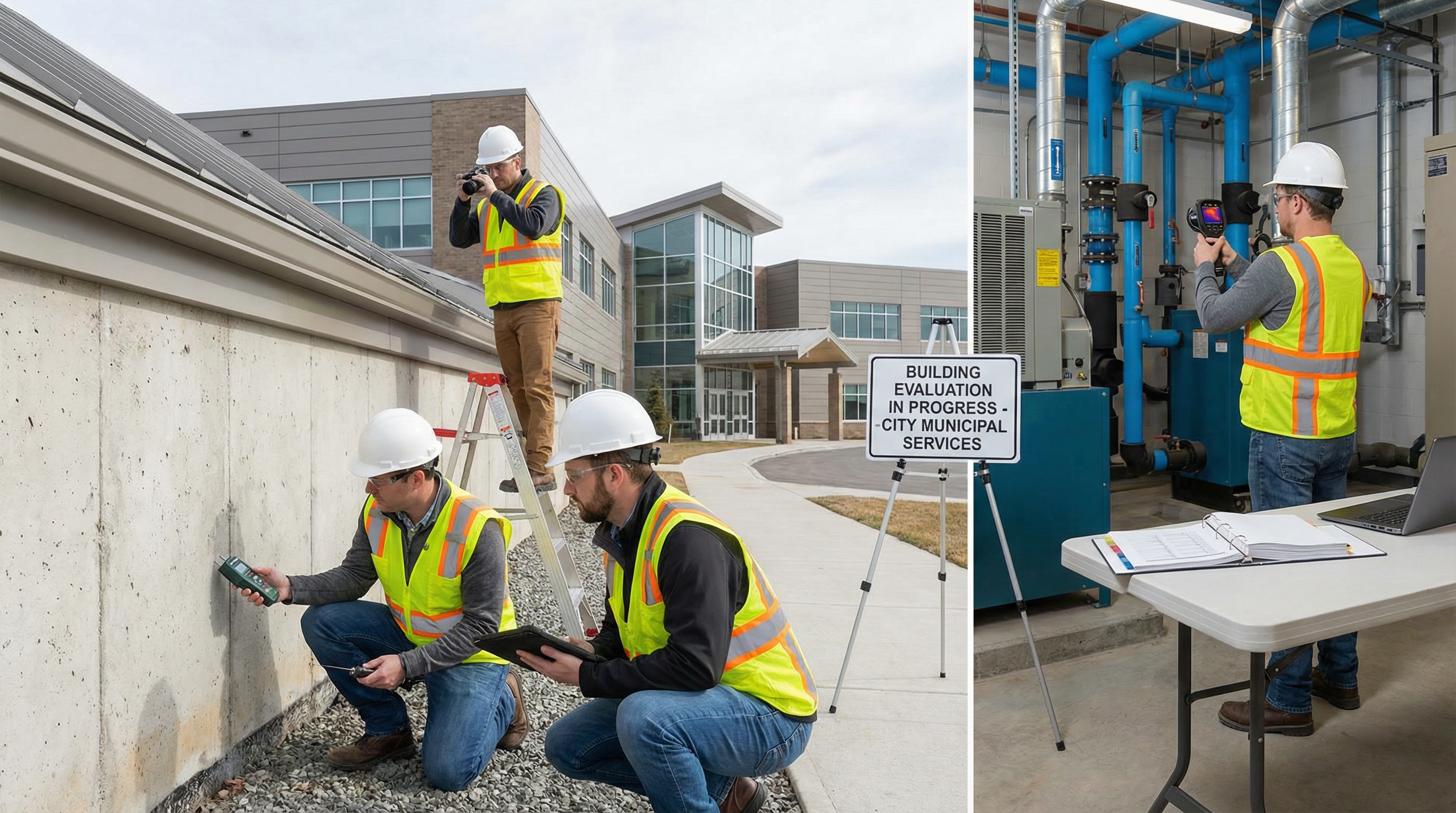
Municipality Facility Condition Assessments: Planning for Public Asset Management
Discover how comprehensive facility condition assessments help municipalities prioritize capital investments, manage aging infrastructure, and make data-driven decisions about public buildings and assets.
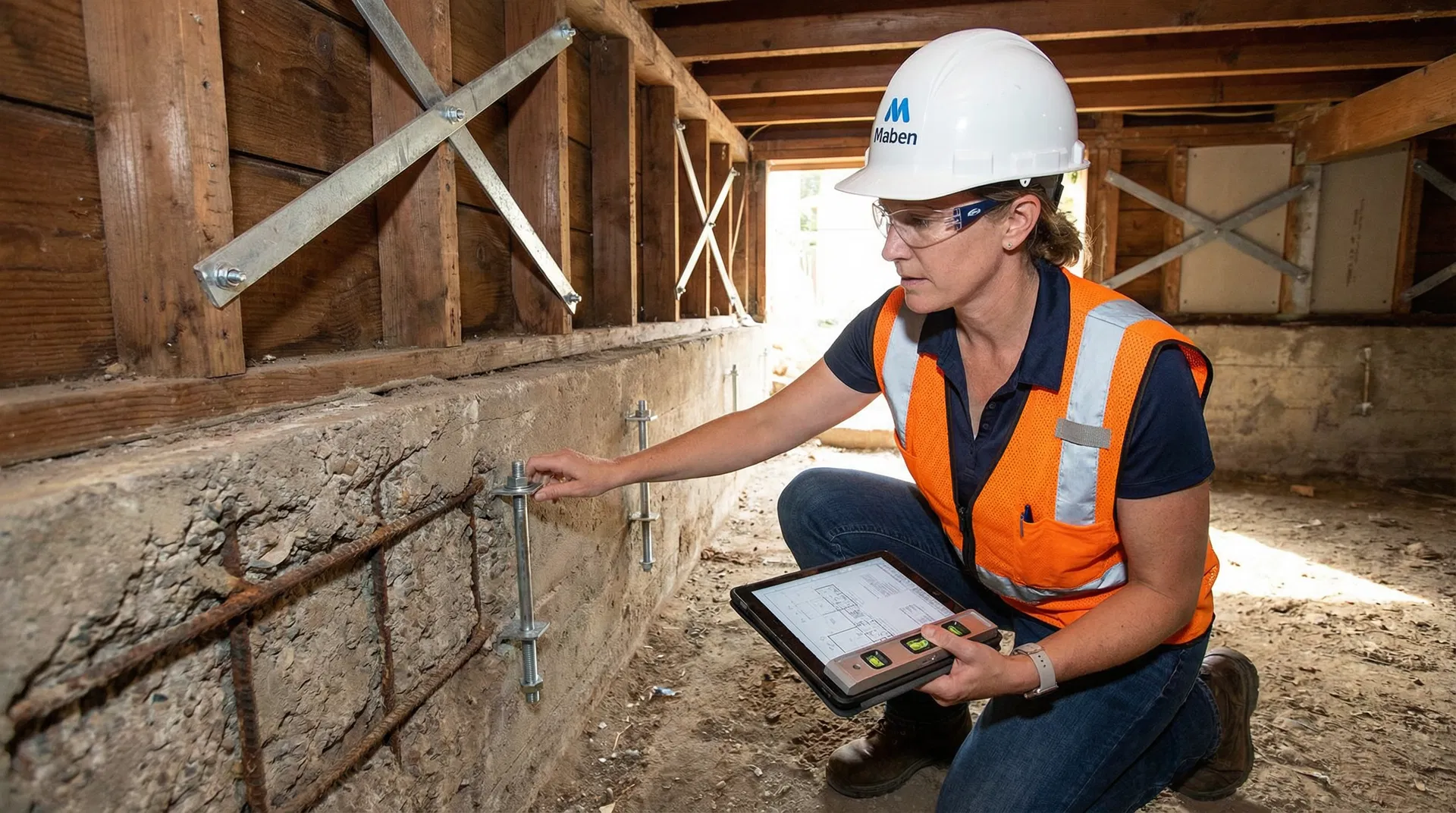
Seismic Resilience: Protecting Older BC Strata Buildings from Earthquake Risk
BC faces significant seismic risk from the Cascadia Subduction Zone. Learn how older strata buildings can assess and address earthquake vulnerabilities through professional seismic assessments and strategic upgrades.
Ready to Get Started?
Contact us today to discuss how Maben Consulting can help your strata corporation