
Seismic Resilience: Protecting Older BC Strata Buildings from Earthquake Risk
# Seismic Resilience: Protecting Older BC Strata Buildings from Earthquake Risk
British Columbia sits on one of North America's most seismically active regions, with the Cascadia Subduction Zone and Juan de Fuca Plate creating significant earthquake risk. For strata corporations managing older buildings—particularly those constructed before modern seismic codes were implemented—understanding and addressing seismic vulnerabilities is not just a regulatory consideration; it's a fundamental responsibility to residents and a critical component of long-term asset management.
The Seismic Risk Reality for BC Strata Buildings
The 2024 National Earthquake Hazards Program estimates that BC faces a 10% probability of experiencing a major earthquake (magnitude 7.0 or greater) within the next 50 years. While this may seem like a distant threat, the consequences of inadequate seismic preparation are severe: building collapses, injuries, displacement of residents, and catastrophic financial losses.
Older strata buildings—those constructed before the 1980s—are particularly vulnerable. Building codes have evolved dramatically over the past four decades, with seismic design standards becoming increasingly stringent. A building that met code requirements in 1970 likely falls far short of today's seismic resilience standards. This gap between historical construction practices and current seismic knowledge creates a critical risk that strata councils must address proactively.
Understanding Seismic Vulnerabilities in Older Structures
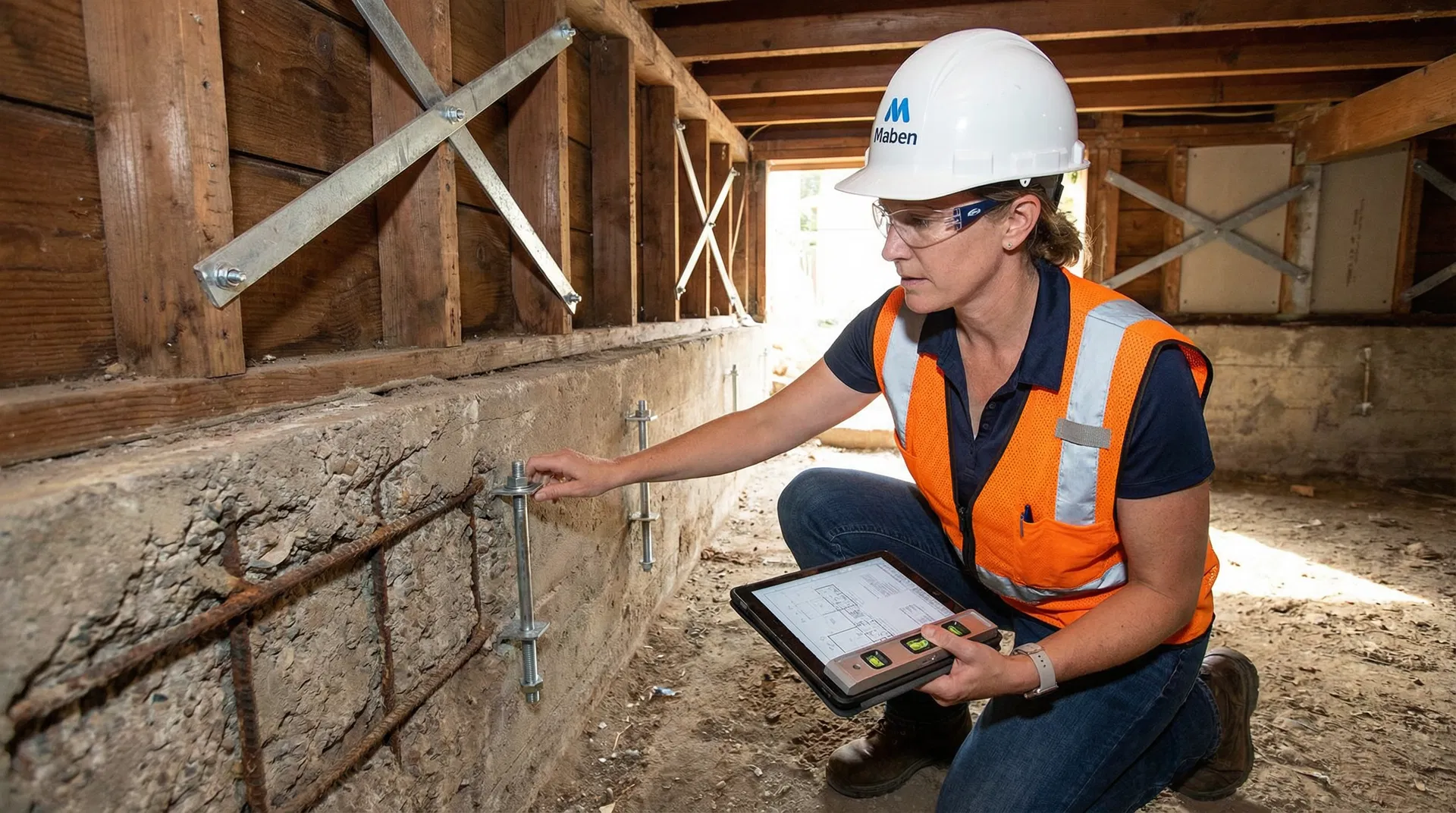
Seismic vulnerabilities in older buildings typically stem from several factors. **Soft-story construction**, common in mid-rise residential buildings built in the 1960s-1980s, features large open spaces on lower floors (parking, commercial areas) with minimal bracing. During an earthquake, these stories can collapse disproportionately, creating a "pancaking" effect. **Inadequate foundation connections** represent another major vulnerability—older buildings often lack proper anchor bolts connecting the structure to the foundation, allowing the building to literally slide off its base during seismic activity.
**Unreinforced masonry walls** found in many pre-1970s buildings are particularly problematic. Without internal steel reinforcement, masonry can fail suddenly and catastrophically during earthquakes, creating falling debris hazards and potential structural collapse. Additionally, **brittle concrete construction** without adequate reinforcement steel exhibits similar failure modes, offering little warning before failure occurs.
The **cripple wall condition**—where wood-frame structures sit on short concrete walls without proper bracing—creates another vulnerability. These short walls lack the lateral bracing needed to resist earthquake forces, and failure here can cause the entire structure above to shift or collapse.
Assessing Your Building's Seismic Vulnerability
The first step in addressing seismic risk is understanding your specific building's vulnerabilities. A **Seismic Vulnerability Assessment** conducted by qualified structural engineers provides a comprehensive evaluation of your building's earthquake resistance. This assessment typically includes:
- **Structural system evaluation** examining the building's load-bearing system, materials, and construction methods
- **Foundation assessment** reviewing anchor bolt conditions, foundation integrity, and soil characteristics
- **Detailed inspection** of critical components including soft stories, unreinforced masonry, concrete conditions, and connection details
- **Comparative analysis** against current seismic design standards to quantify the gap between existing conditions and modern code requirements
- **Risk prioritization** identifying the most critical vulnerabilities requiring immediate attention
This assessment becomes the foundation for developing a targeted seismic upgrade strategy that balances risk reduction with financial feasibility.
Seismic Upgrade Strategies and Solutions
Addressing seismic vulnerabilities involves a range of proven engineering solutions. **Foundation anchoring** installs or upgrades anchor bolts connecting the structure to the foundation, preventing lateral displacement during earthquakes. **Shear wall installation** adds reinforced concrete or steel-braced walls to provide lateral resistance in soft-story buildings. **Cripple wall bracing** uses steel frames or plywood sheathing to strengthen the short walls between foundation and first floor.
**Unreinforced masonry strengthening** can involve epoxy injection of cracks, installation of internal steel reinforcement, or in some cases, selective demolition and reconstruction with reinforced materials. **Damping systems** such as tuned mass dampers or friction dampers reduce building motion during earthquakes, protecting both structure and contents.
The most effective approach typically involves a **phased upgrade strategy** that prioritizes the most critical vulnerabilities first, allowing strata corporations to spread costs over multiple years while progressively reducing seismic risk.
Financial Implications and Planning
Seismic upgrades represent significant capital expenditures, but the cost of inaction—potential building collapse, resident injuries, displacement, and loss of property value—far exceeds the cost of proactive mitigation. Many strata corporations find that incorporating seismic upgrades into planned capital projects (roof replacement, mechanical system upgrades, envelope work) improves cost efficiency by sharing mobilization and coordination expenses.
Additionally, **government incentive programs** and **insurance considerations** increasingly favor buildings with documented seismic resilience. Some insurance providers offer premium reductions for buildings that have completed seismic upgrades, and certain government grants support seismic strengthening of multi-family residential buildings.
Moving Forward: Next Steps for Your Strata Corporation
If your building was constructed before 1990, a professional seismic vulnerability assessment should be a priority. This assessment provides the information needed to develop a realistic, phased upgrade strategy that protects residents while managing financial impact.
**Maben Consulting specializes in seismic vulnerability assessments for BC strata buildings**, combining structural engineering expertise with deep knowledge of strata governance and capital planning. We help strata corporations understand their specific seismic risks, evaluate upgrade options, and develop implementation strategies that balance safety, cost, and timeline considerations.
**Contact Maben Consulting today** to schedule a seismic vulnerability assessment for your building. Protecting your residents and preserving your property value starts with understanding your building's earthquake resilience. Let our experienced engineers guide you through the assessment and planning process, ensuring your strata building is prepared for the seismic challenges ahead.
Related Articles
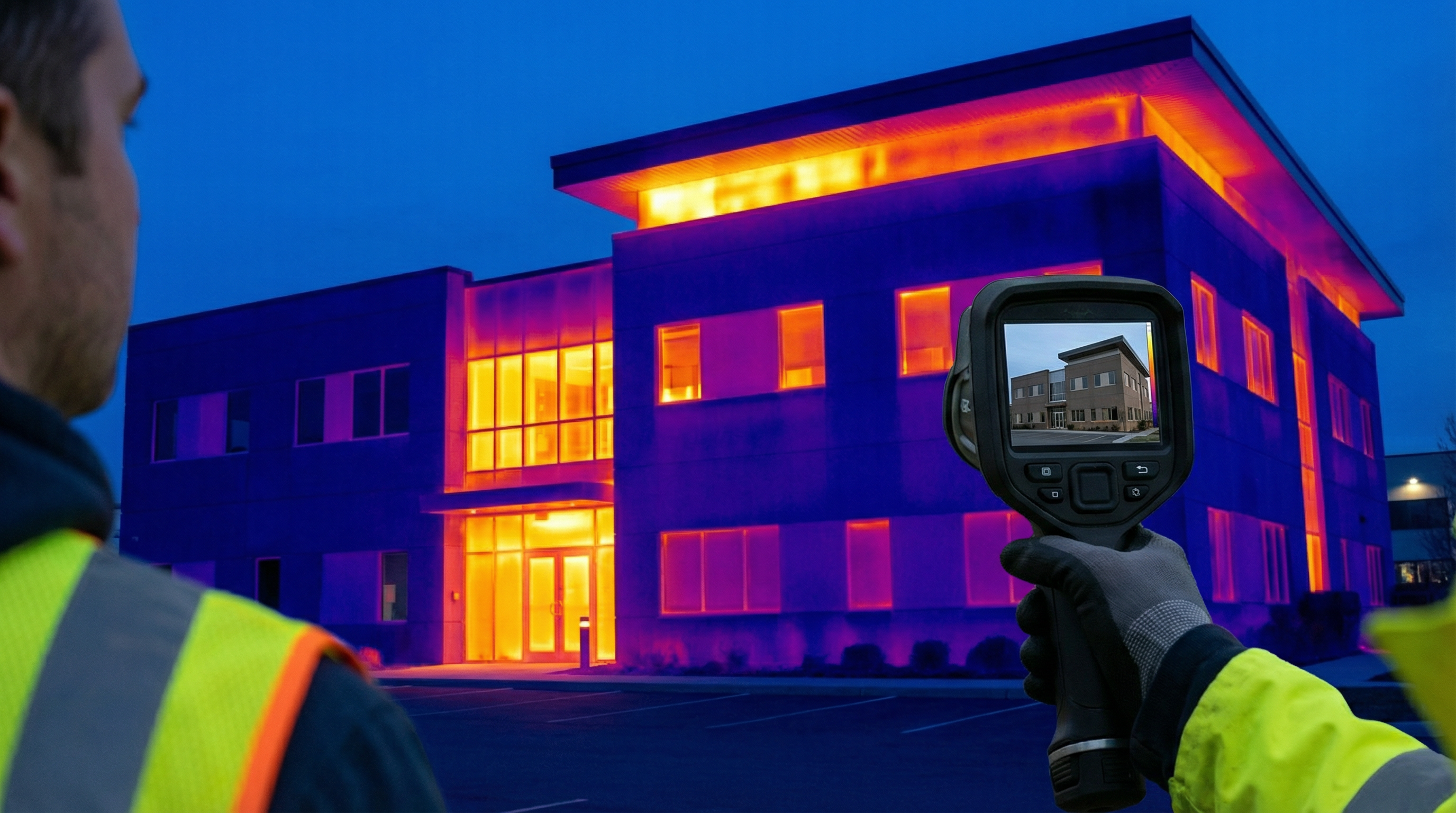
Thermal Imaging in Building Assessments: Detecting Hidden Energy Loss
Learn how thermal imaging technology reveals insulation defects, air leaks, and energy inefficiencies in BC strata buildings—and why it's essential for comprehensive building assessments.
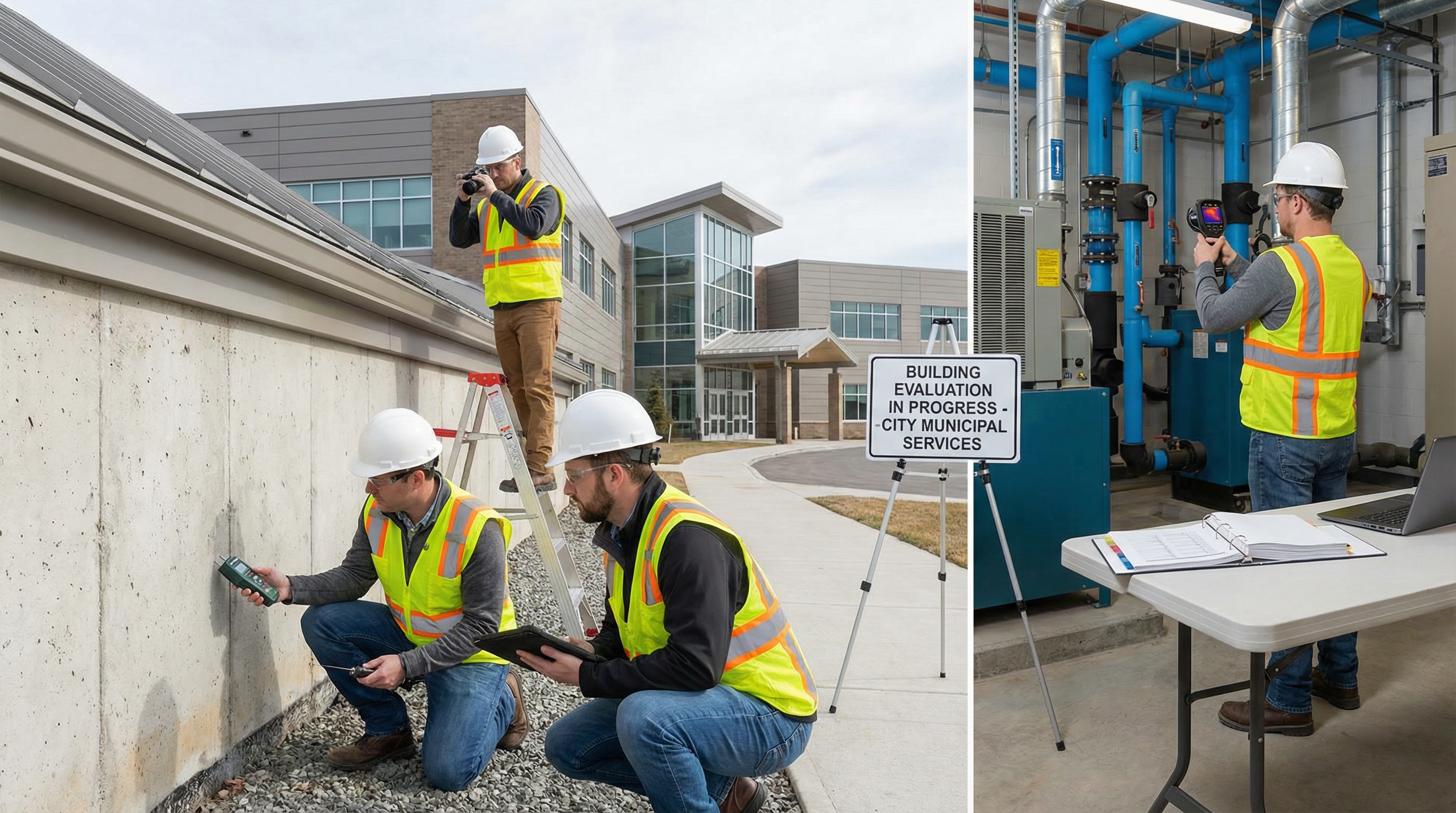
Municipality Facility Condition Assessments: Planning for Public Asset Management
Discover how comprehensive facility condition assessments help municipalities prioritize capital investments, manage aging infrastructure, and make data-driven decisions about public buildings and assets.
Ready to Get Started?
Contact us today to discuss how Maben Consulting can help your strata corporation